
Visible Flows
A Practical Guide to Building the Polycentric Community

Transitioning from a passive consumer to an active operator within the Polycentric Community is less like joining a political party and more like learning to play a complex, percussive instrument where the rhythm is set by the needs of your neighbors and the health of the soil. The current global system relies on a specific kind of illiteracy; it thrives when we cannot see the path a loaf of bread took to reach our table or the hands that picked the cotton for our shirts. This opacity is a feature, not a bug, designed to keep us trapped in a symmetrical, rigid loop of earning and spending without ever touching the reality of our own impact. To break this cycle, we must engage in a process of reclaiming our agency through symbolic literacy and operational practice, moving away from the faceless machinery of the market and toward the vibrant, asymmetrical flows of a localized reality (Provenance Audit).

The first step in this transformation is the cultivation of a new way of seeing. Most of us perceive objects through the false symbol of the price tag, a flat number that masks the true symbols of ecological cost and human labor. By performing a provenance audit on a single household item, an individual begins to trace the visible flow of energy and effort that sustains their life. This is not merely an academic exercise but an act of restoring human dignity to the laborer and ecological respect to the resource. When we walk through our neighborhoods, we must learn to distinguish between symmetrical spaces, such as gated parking lots that impose a sterile, top-down order, and asymmetrical spaces, like a community-tended wild corner or an informal tool-sharing shed. These asymmetrical nodes are where the Community is already breathing, showing us where the organic flow of human connection is attempting to bypass the rigid structures of the state (Landscape Deciphering).
Once we have learned to read the world, we must learn to operate it. This requires a shift in language, moving from passive complaints to structural requirements. Instead of lamenting a neglected park, the operator recognizes that the flow of local stewardship is currently blocked and seeks the lever to release it. This operational mindset extends to the very concept of time. The forty-hour work week is a symmetrical imposition that treats human life as a commodity. By initiating time banks or skill-sharing circles, we move toward a system where a person’s inherent dignity serves as the currency. In these circles, an hour of plumbing is equal to an hour of childcare because both are vital flows of human energy directed toward mutual aid rather than market extraction (Commoning of Time).
Ecological stewardship acts as the primary governing mechanism in this framework. True subsidiarity—the principle that matters should be handled by the smallest, most local authority capable of resolving them—is practiced whenever a person takes responsibility for a specific ecological node. Whether it is a small patch of urban soil, a composting collective, or a local waterway, managing a resource rather than merely “recycling” transforms the individual into a guardian of the landscape. This is governance in its purest form: the direct management of the home without the need for a central permit to care for one’s own environment.
The way we move capital is perhaps the most immediate lever at our disposal. Injustice thrives in the shadows, and our current financial systems are intentionally opaque. To counter this, we must surface the hidden flows of our communities. Information is the asymmetrical conjurer that makes the invisible visible. When we know who owns a vacant building or where the local runoff is being diverted, we are no longer victims of the system; we are its auditors. This transparency extends to our wallets. Treating purchasing power as a visible flow of change means adhering to the local-first rule of subsidiarity. Spending at independent shops creates a multiplier effect where capital stays within the community’s nodes rather than leaking out to a distant corporate headquarters.
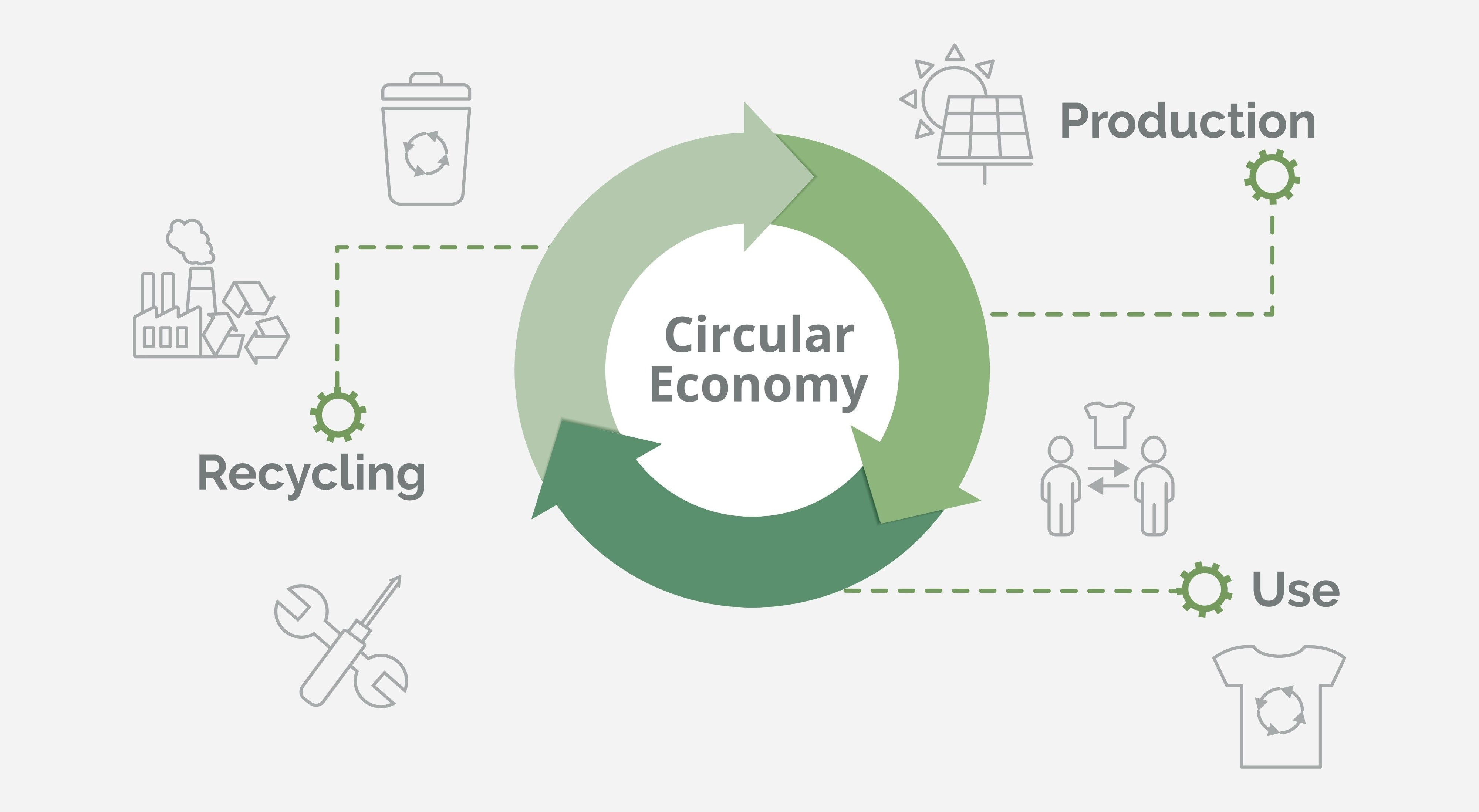
This shift necessitates a move from quantity to quality, prioritizing the dignity of the person over the convenience of the mass market. A cheap shirt is usually a symbol of hidden exploitation. By choosing high-quality, ethically made garments and embracing the right to repair, we honor the laborer and halt the waste flow to landfills. A structural operator maintains what they own, seeing their possessions not as disposable units but as part of a circular economy. Furthermore, where our money “sleeps” matters as much as where it is spent. Moving accounts from symmetrical, global banks to local credit unions ensures that capital remains a tool for regional housing and small business projects, reinforcing the polycentric nature of the economy.
Ultimately, the transition to the Polycentric Community is found in the “Asymmetrical Audit”: the reclamation of one hour a week from a rigid, faceless system to be redirected toward a person or a piece of land in one’s immediate circle. It is a rejection of the “black box” of modern existence in favor of a life lived in the light of transparent supply chains and direct relationships. This is not about retreating from the world but about engaging with it more deeply, ensuring that every flow of time, money, and care serves to nourish the dignity of our neighbors and the health of our shared ecology (Visible Flows).
To help you begin the transition from a passive observer to a structural operator, I have designed this audit worksheet. It is intended to help you identify the rigid, symmetrical systems currently claiming your time and redirect that energy into the organic, asymmetrical flows of the Polycentric Community.
The Asymmetrical Audit: A Weekly Worksheet
Phase I: Identifying the Symmetrical Grip
Review your schedule from the past seven days. Identify three instances where your time or energy was dictated by a rigid, faceless system—something that felt “symmetrical” and ignored your personal dignity or the specific needs of your local ecology.
The Commute/Workflow: Did you spend time in a “dead” space (a gridlocked highway or a sterile office) that served a distant corporate logic rather than a local need?
The Opaque Transaction: Did you spend an hour navigating a “black box” system, such as a large bank’s automated phone tree or a faceless digital marketplace?
The Passive Consumption: Did you lose time to a platform whose algorithm treats your attention as a commodity to be harvested?
Phase II: Locating the Asymmetrical Flow
Now, look at your immediate physical surroundings—your neighborhood, your local soil, and your neighbors. Identify three “nodes” where the Community is trying to breathe.
The Ecological Node: Is there a neglected patch of earth, a local waterway, or a composting opportunity that lacks a human operator?
The Relational Node: Is there a neighbor with a specific skill to share or a tangible need that a “Time Bank” could address?
The Symbolic Node: Is there a local shop, a bulletin board, or a community space that acts as a visible flow of local information?
Phase III: The One-Hour Reclaim
Select one hour from your “Symmetrical Grip” list and intentionally divert it to one “Asymmetrical Flow” node.
The Action: (e.g., “I will take the hour spent on a global shopping app and spend it at the local farmers’ market tracing the provenance of my produce.”)
The Operator Mindset: How does this specific action restore human dignity or ecological health?
The Visibility Factor: How can you make this flow “visible” to others? (e.g., sharing the source of the produce with a neighbor or posting a repair tip on a local board.)
The Community Shopping Checklist
When you are operating within the market, use these four prompts to ensure your “Visible Flow” remains healthy:
Subsidiarity: Can I find this within a 50-mile radius of my home?
Dignity: Do I know the name of the person, or at least the specific community, that produced this?
Ecology: Does this item have a “Right to Repair,” or is it destined for a waste flow?
Transparency: Is the supply chain a “black box,” or can I see the provenance clearly?
Now, I see and understand how it works in practice. Thank you!